CBD is the cannabis compound that doesn't get you high. What research supports, the risks the FDA lists, which CBD products New York stores carry and how to read a CBD label.
TL;DR too long; didn't read
CBD doesn't get you high. It has exactly one FDA-approved use: a prescription drug for rare seizure disorders.
Everything else (anxiety, pain, sleep) is early or weak evidence. And CBD does not cancel out THC.
Most dispensary CBD is mixed with THC. On Nifty today, 73% of products with CBD in the name also say THC.
Read the milligrams of CBD and THC per serving, not the ratio. If you take medication, ask a doctor first.
CBD is on gummies, cans, balms, drops and vapes in almost every New York dispensary. The box usually says calm, balance or relief. The research says something smaller.
CBD, short for cannabidiol, is a compound from the cannabis plant that does not get you high. In New York it's sold as a hemp product in shops and online, and in licensed dispensaries, often mixed with THC. One use is proven well enough to have an FDA-approved medicine. Most others are open questions.
What CBD is and where it comes from
The plant makes CBD as CBDA, which heat or time converts to CBD. For the basics, see what are cannabinoids.
Hemp and cannabis are the same species. The legal line is THC: federal law defines hemp as cannabis with no more than 0.3% delta-9 THC by dry weight.
THC switches on the CB1 receptor in the brain, which produces the high. CBD does not.
CBD in New York stores: Nifty's numbers
We looked at every product in stock at licensed New York stores on Nifty on November 15, 2026, grouped by the name on the menu. So the numbers are close, not exact.
7,038 in-stock products have CBD in the name. That's more than CBG (2,951) and CBN (2,630) put together.
They're on the menu at 575 stores.
Median price: $28 a product. The median for everything on Nifty is $35.
73% of them also say THC in the name. CBD on its own is the exception at a dispensary, not the rule.
Form
Share of CBD products
Median price
Edibles (gummies, chews, drinks, chocolate)
61%
$23.89
Filed under "CBD" by the store
18%
$36
Tinctures and capsules
9%
$42.48
Topicals (balms, lotions)
8%
$50
Vapes
2%
$40
The surprise is the "CBD" shelf. Of the 1,284 CBD products stores file there, only 58 say THC in the name. So if you want CBD without much THC, that shelf and the tinctures are where to look. The gummy aisle is mostly THC with some CBD.
What CBD research supports
Seizures: strong evidence
In 2018 the FDA approved Epidiolex, a purified CBD oral solution, for seizures in two rare, severe epilepsies: Lennox-Gastaut syndrome and Dravet syndrome. In 2020 it added seizures linked to tuberous sclerosis complex. It is approved for patients one and older.
It is the only FDA-approved CBD product, a prescription drug taken under a doctor's care. It shows CBD has real effects, not that a shop gummy will match them.
Anxiety: early and small
The NIH's National Center for Complementary and Integrative Health (NCCIH) calls the evidence for anxiety limited. It cites one study of 24 people with social anxiety disorder who reported less anxiety during a simulated public speaking test after CBD than after placebo.
Pain: mostly not CBD alone
Most pain research has tested cannabis or THC-containing medicines, not CBD by itself. A 2018 review of 47 studies of cannabinoids for chronic pain found a small benefit, which NCCIH says "may be too small to be meaningful to patients". Side effects were more common among people taking cannabinoids.
Sleep: uncertain
NCCIH says it is unclear whether cannabinoids improve sleep directly or ease symptoms that keep people up. There is no good evidence yet that CBD alone is a sleep aid. CBN is the one sold for sleep, and its record is thin too: see what is CBN.
You, after reading 'balance' on a gummy box · via GIPHY
Does CBD soften the effects of THC?
Some earlier studies suggested CBD "balances" THC. The best test so far did not.
In a 2022 trial in Neuropsychopharmacology, 46 healthy volunteers inhaled cannabis with 10 mg of THC plus 0, 10, 20 or 30 mg of CBD on separate visits. THC impaired memory and caused brief psychotic-like symptoms. No dose of CBD reduced those effects.
A 1:1 product may still feel gentler because it usually has less THC per serving. The lower THC does the work.
The 2022 trial, to the "CBD cancels the high" theory · via GIPHY
The kinds of CBD products, by ratio
Most dispensary CBD comes as a ratio of CBD to THC. On Nifty today, the most common ratios in CBD product names are 1:1 (896 products), 1:1:1 with a third cannabinoid (751) and 2:1 (531). Only 69 list a ratio of 10:1 or more, and a few of those put THC first.
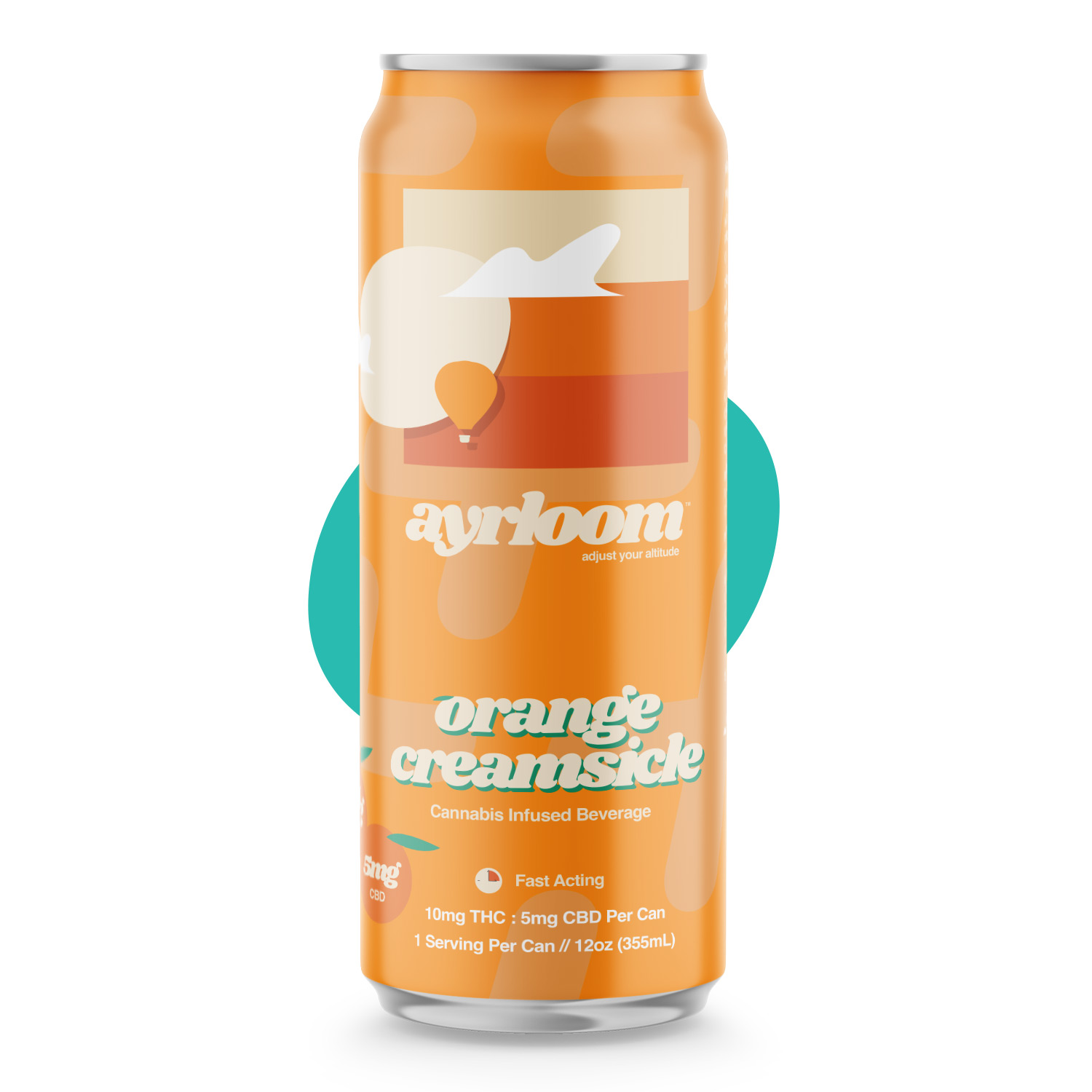
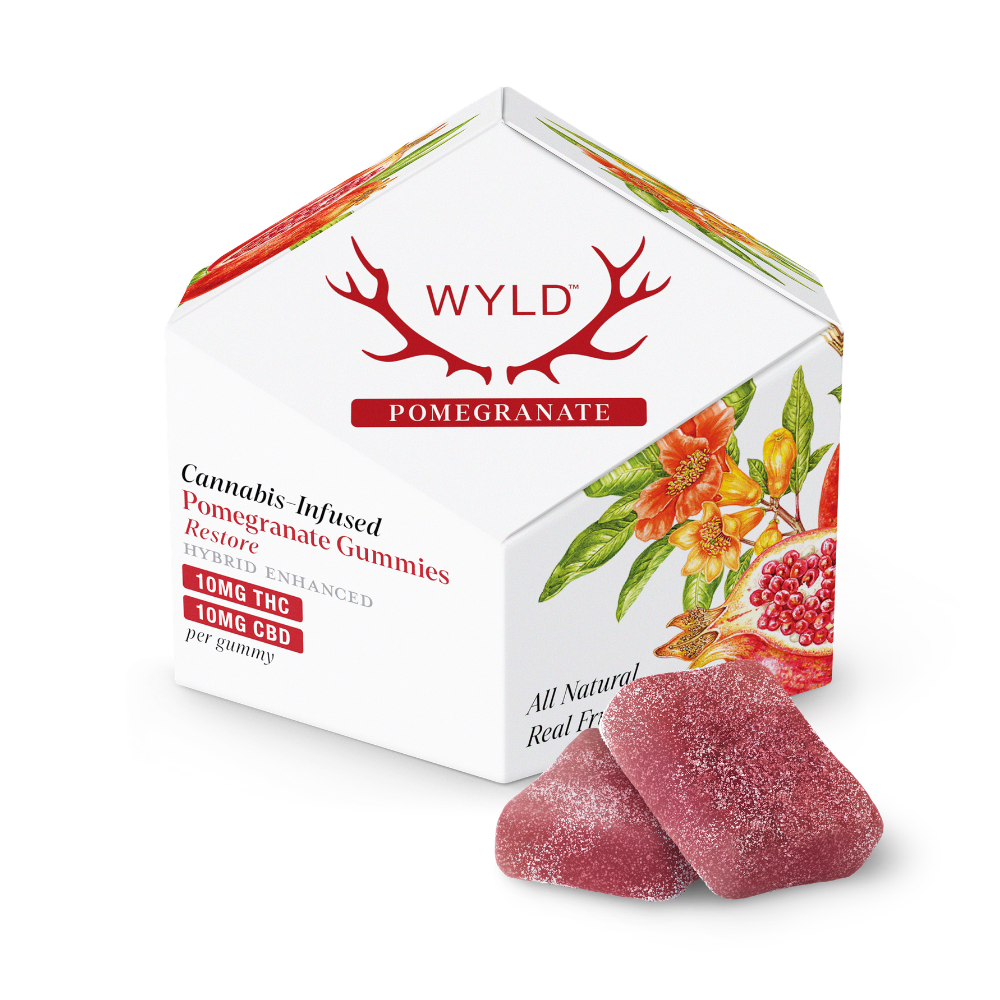
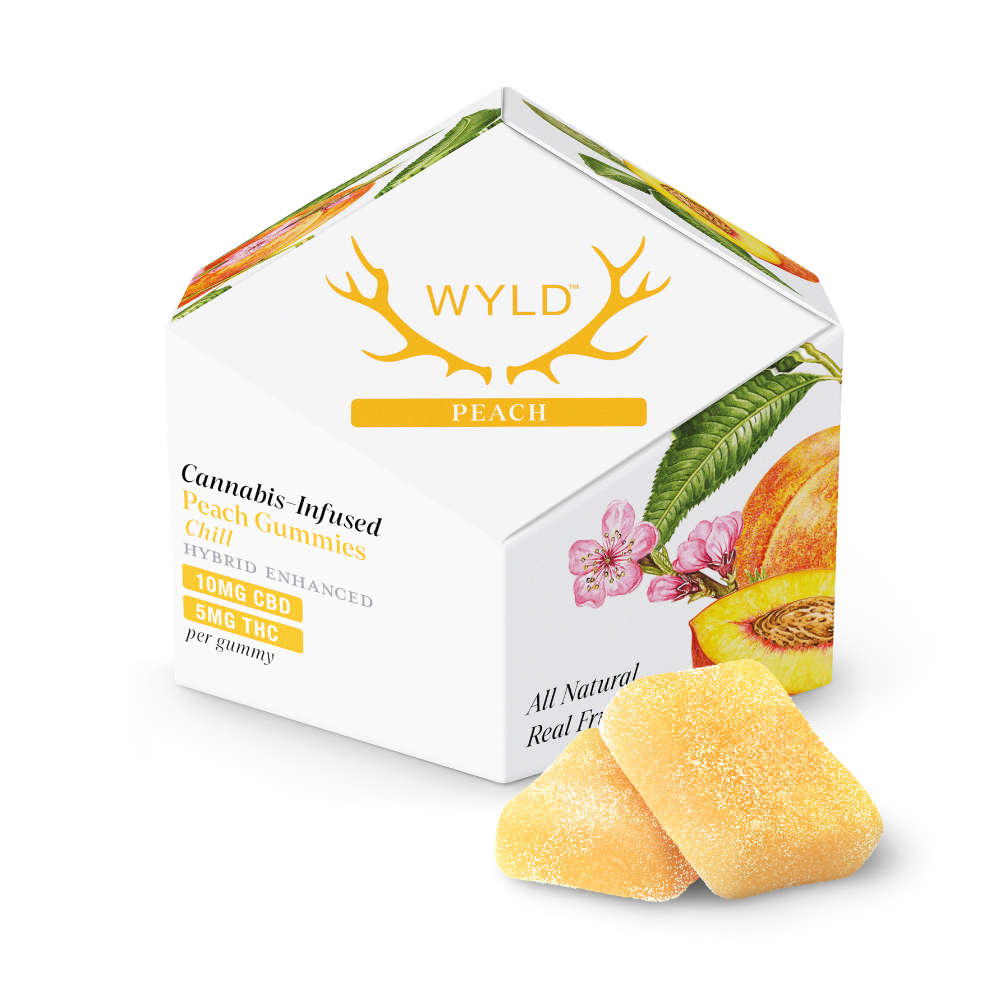
One catch: brands don't agree on the order. Ayrloom's "2:1" cans are 10 mg THC to 5 mg CBD. Wyld's Peach "2:1" gummies are CBD to THC. Same numbers, opposite products. The milligrams on the label settle it.
Mostly THC, a little CBD
These are THC products first. The CBD is the smaller number.
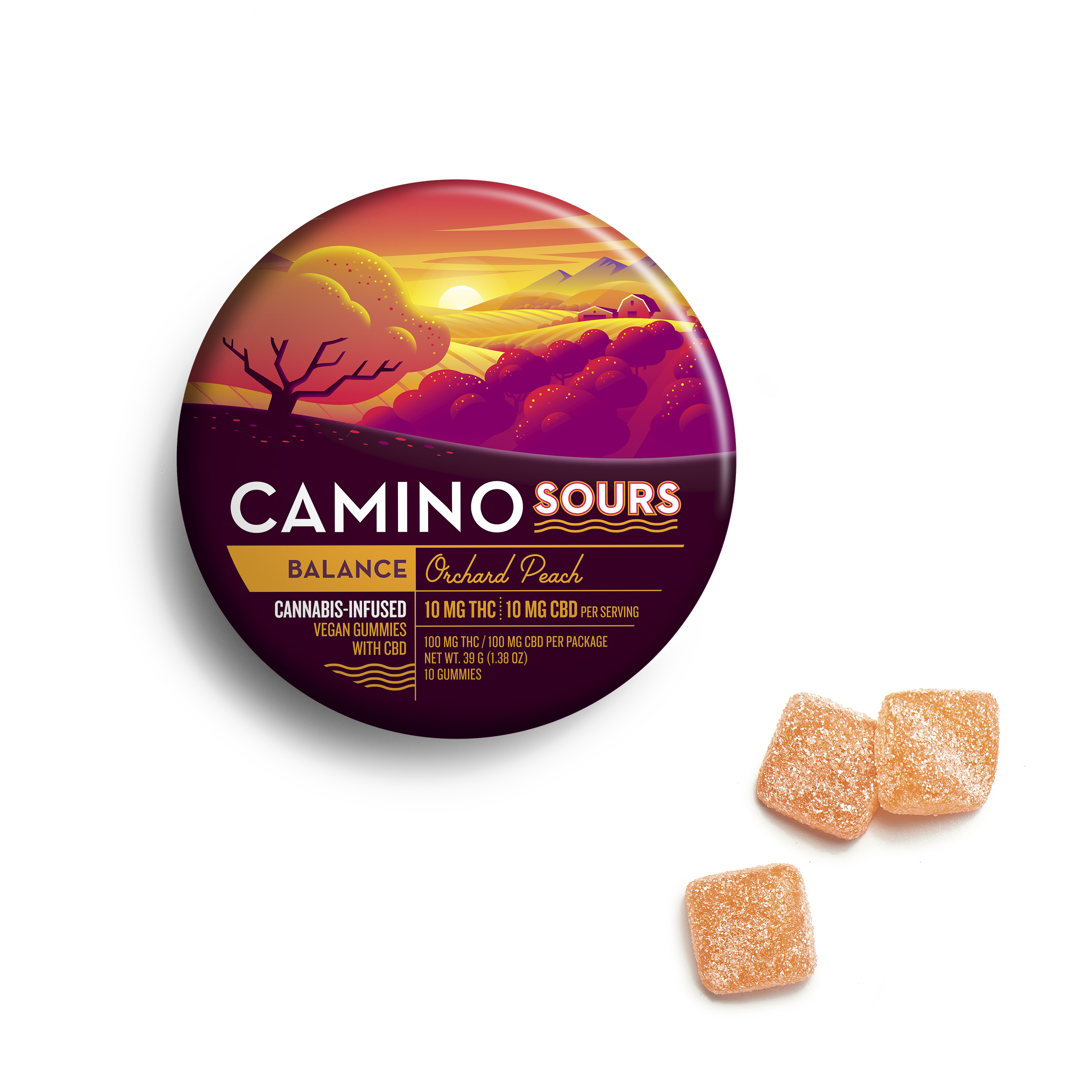
Ayrloom's Orange Creamsicle 2:1 (10 mg THC, 5 mg CBD by its name) was on 140 store menus today, more than any other CBD product on Nifty. Camino's Sours "Balance" lists 100 mg CBD and 100 mg THC per pack. Wyld's Peach is the reverse 2:1 from above, so it sits between this group and the next.
Even: 1:1
Equal milligrams of CBD and THC. The THC still sets how strong it feels, so check how much of each there is.
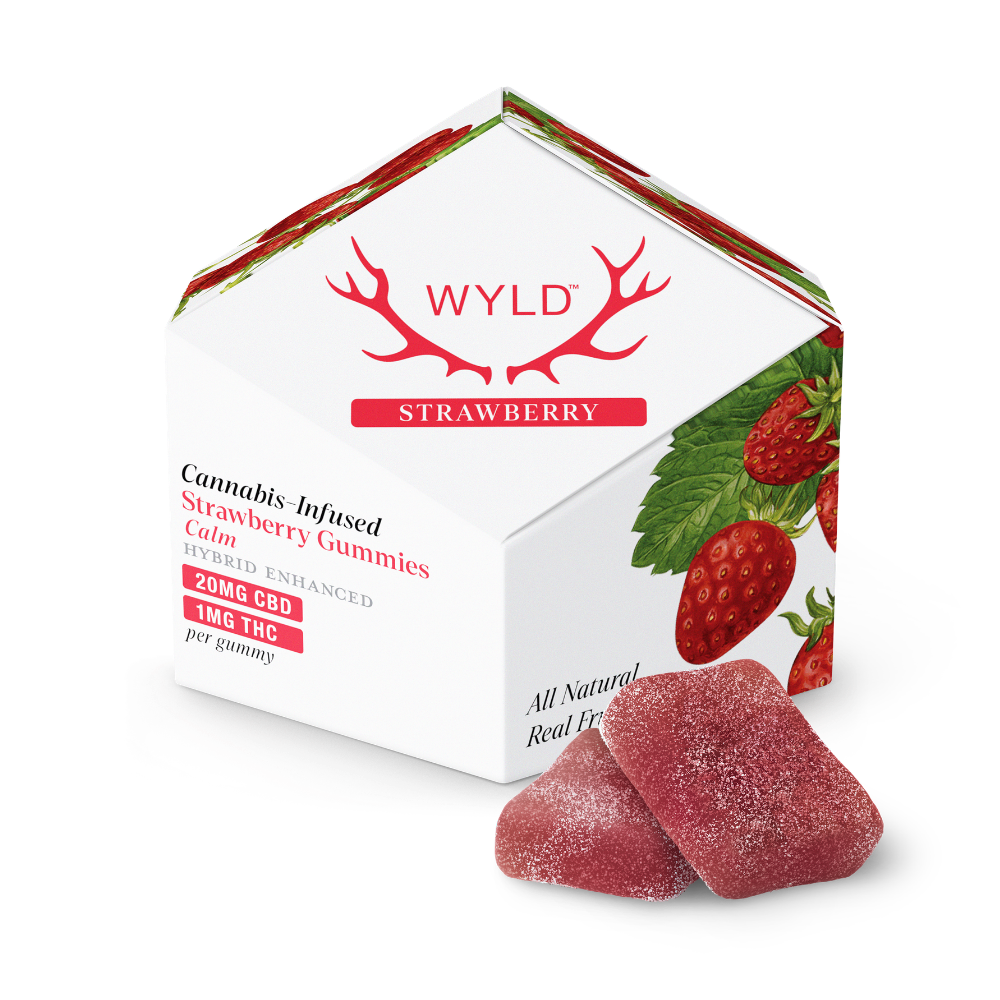
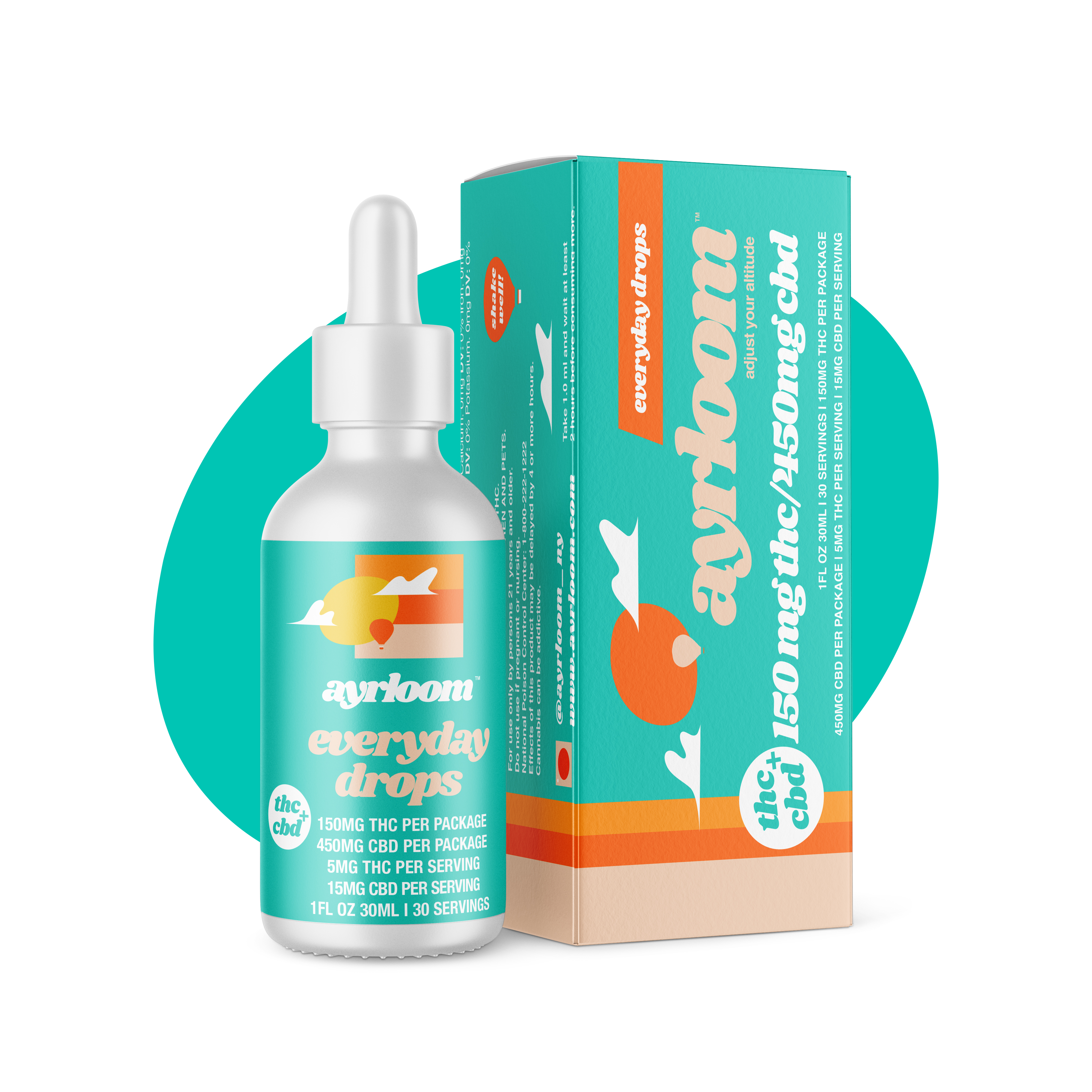
Wyld's Strawberry 20:1 was in up to 50 stores today. Ayrloom's Low Dose Everyday Drops are a tincture with 150 mg THC and 450 mg CBD in the bottle, by their name: a 1:3, written THC first.
On the skin: topicals
Balms and lotions. In New York they carry the warning "For topical use only. Do not eat or smoke."
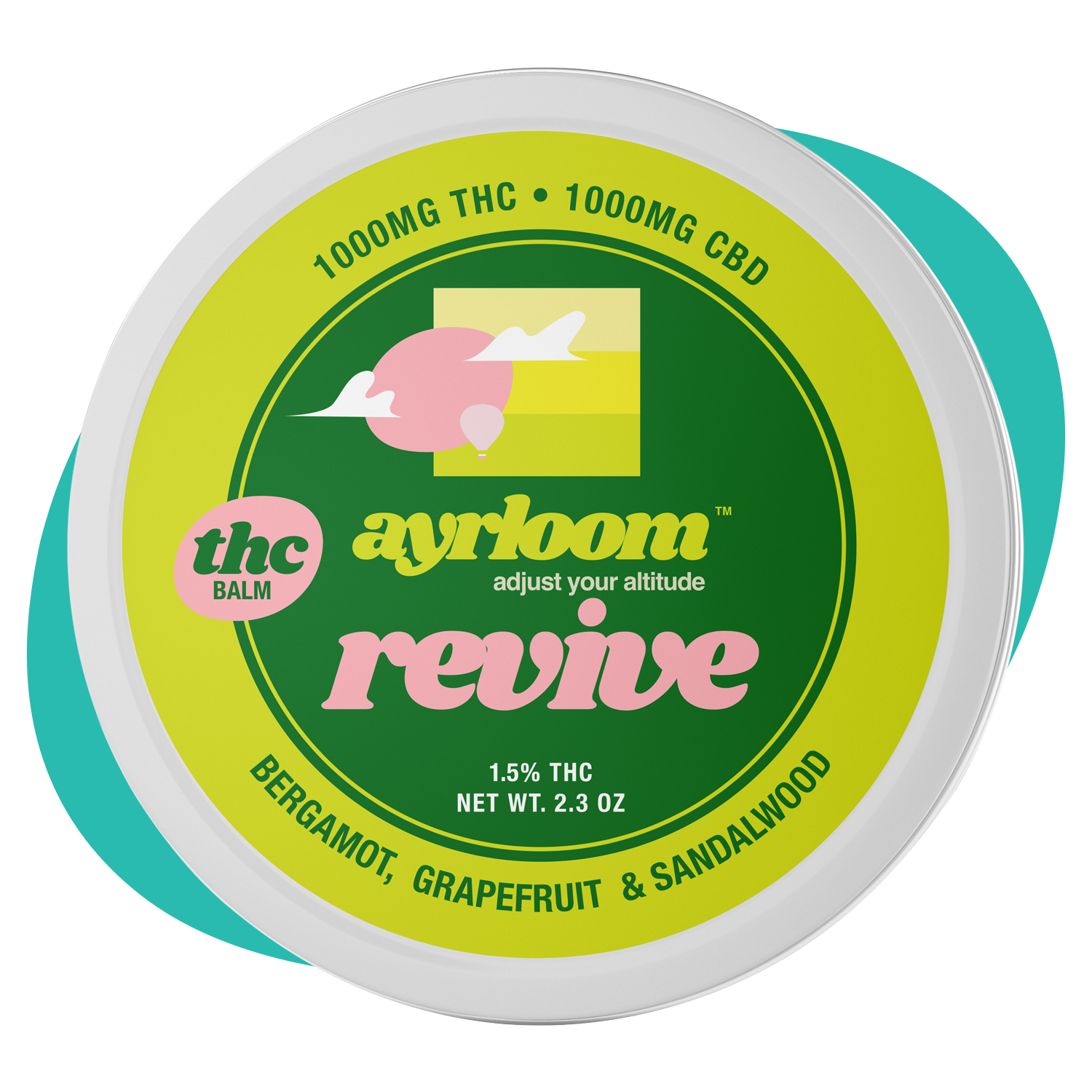
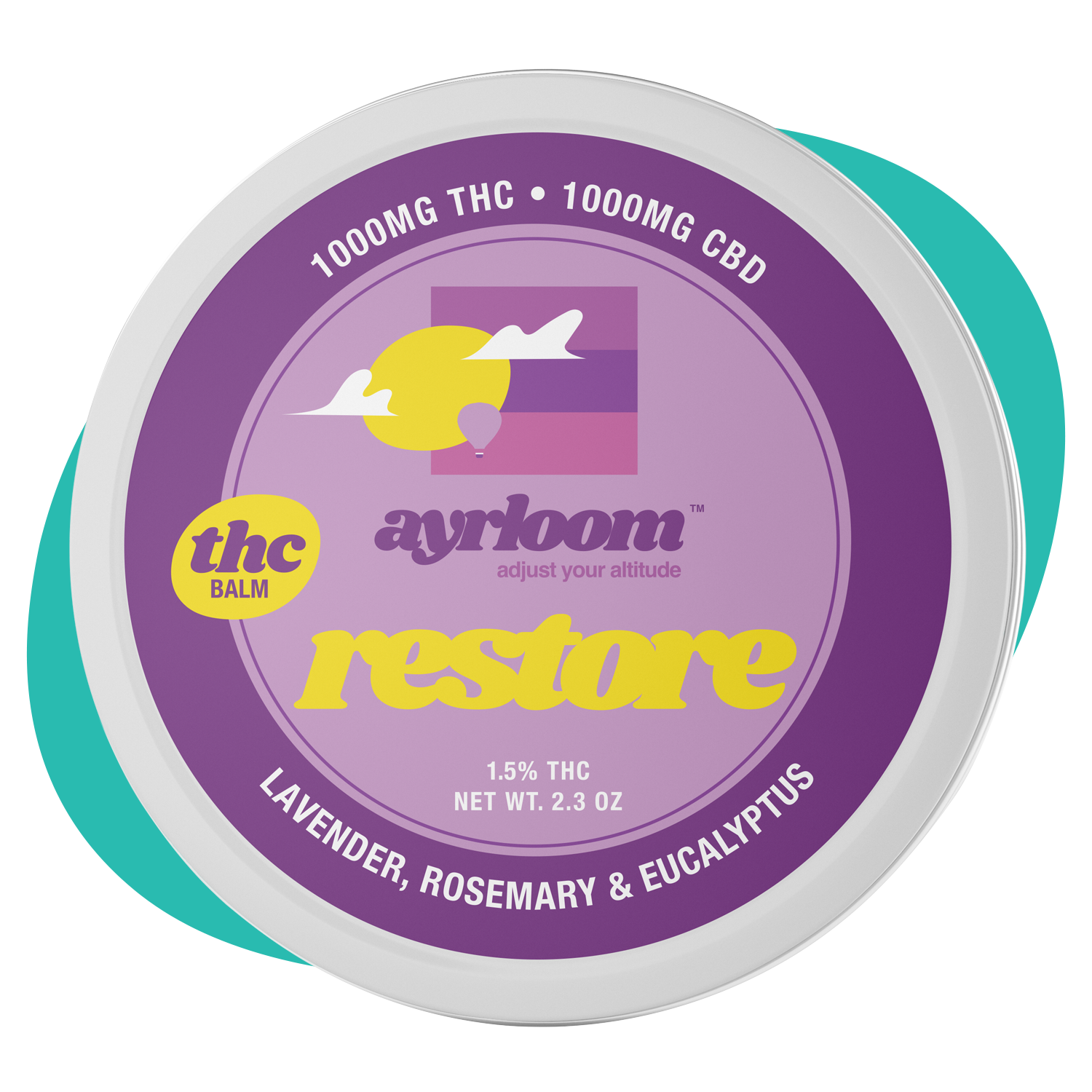
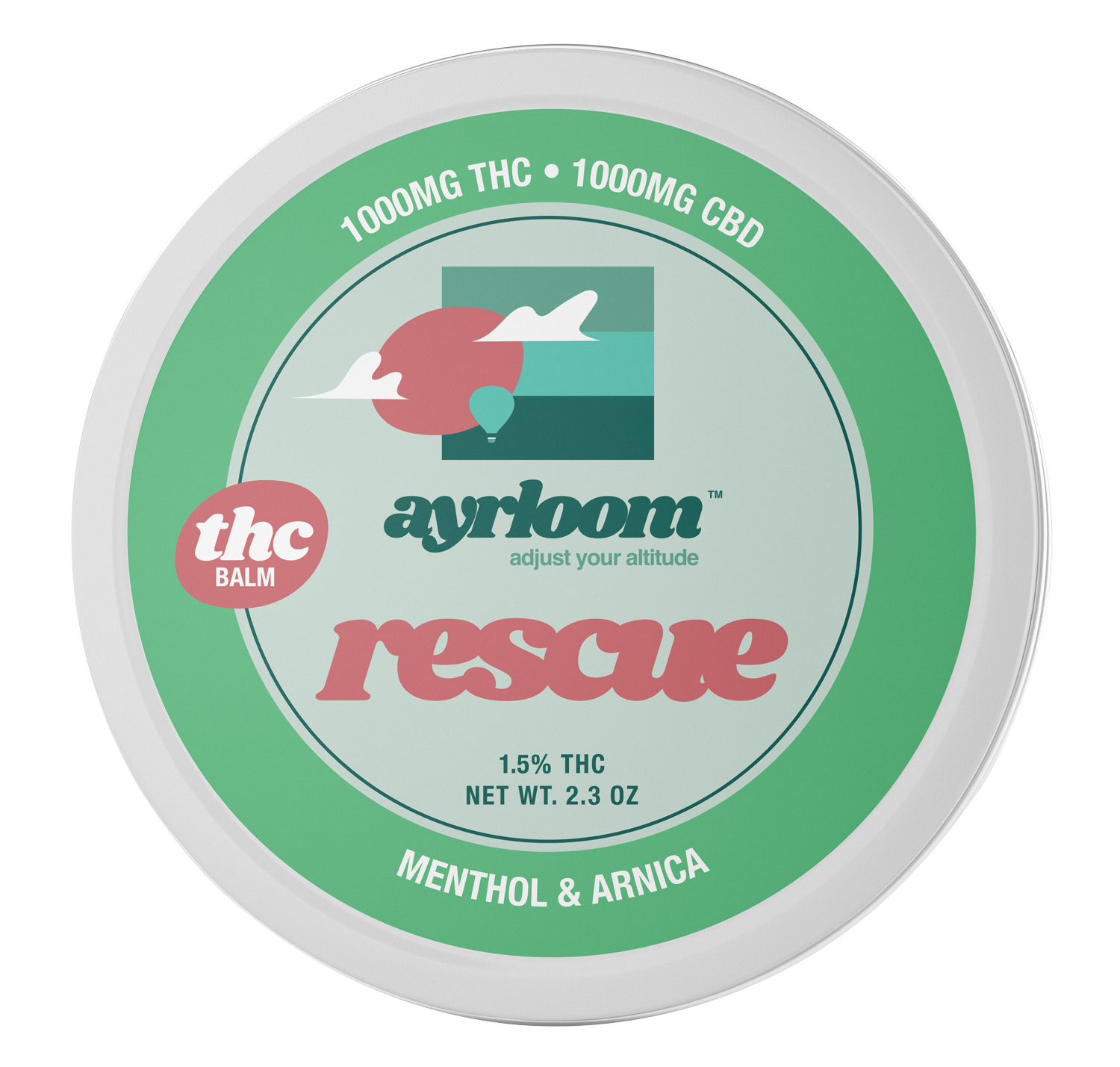
Ayrloom's three 1:1 balms (1,000 mg THC and 1,000 mg CBD per tin, by the name) are each in 90 to 110 stores.
Pick in 10 seconds
Want a THC edible with some CBD in it? 2:1 THC to CBD.
Want THC and CBD in equal parts? 1:1, at 5 mg each or less to start.
Want CBD with very little THC? 20:1, or a tincture from the CBD shelf.
Want it on your skin, not in your body? A topical.
Want as little THC as you can get? Hemp CBD from a licensed hemp shop (0.3% THC or less), and read the lab report.
CBD ratios side by side
Ratio (CBD:THC)
Example on Nifty
THC per piece, by name
How common*
1:2 (sold as "2:1 THC:CBD")
Ayrloom 2:1 cans
10 mg
531 products say 2:1 (either order)
1:1
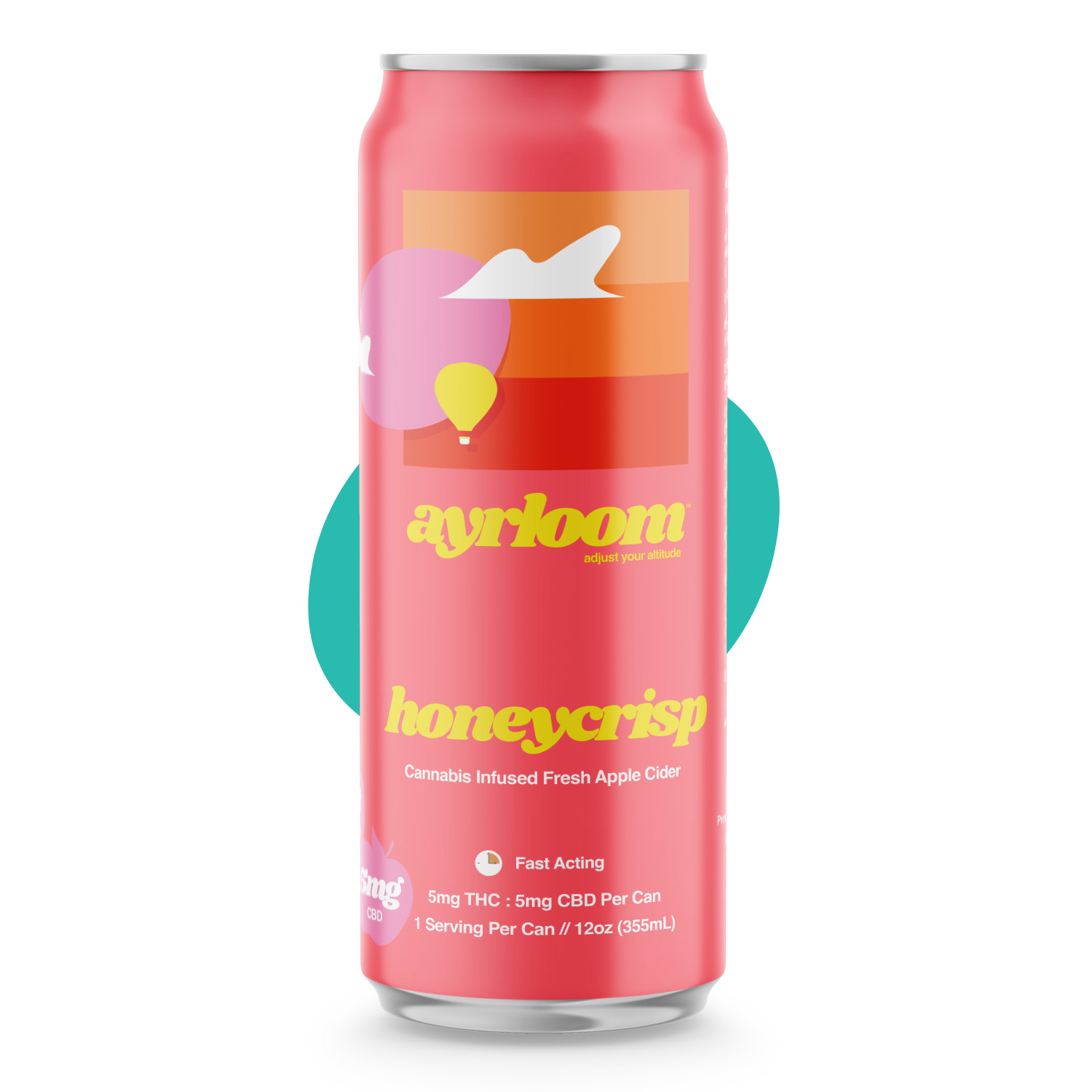
Ayrloom Honeycrisp 1:1
5 mg
896
1:1:1 (plus CBG, CBN or CBC)
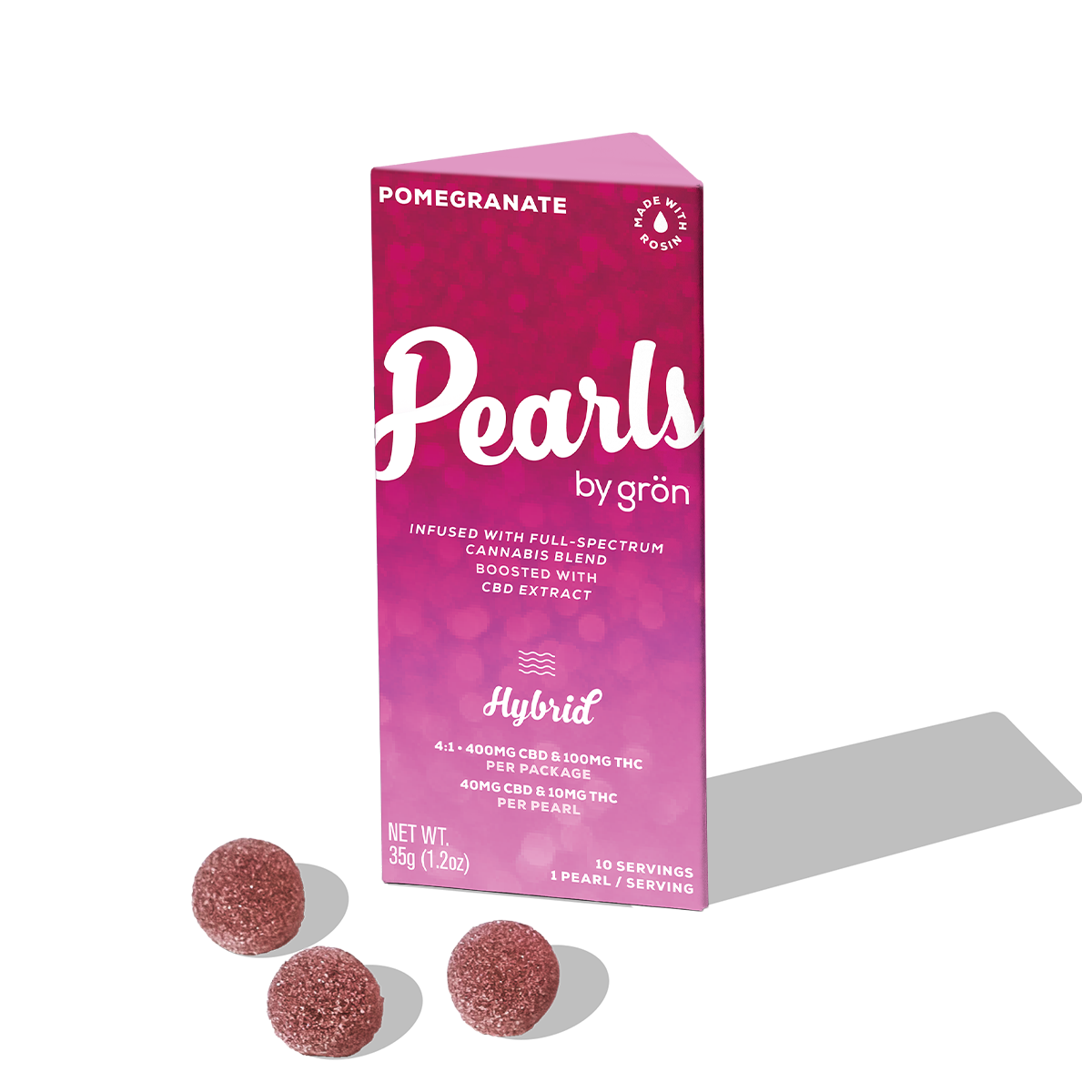
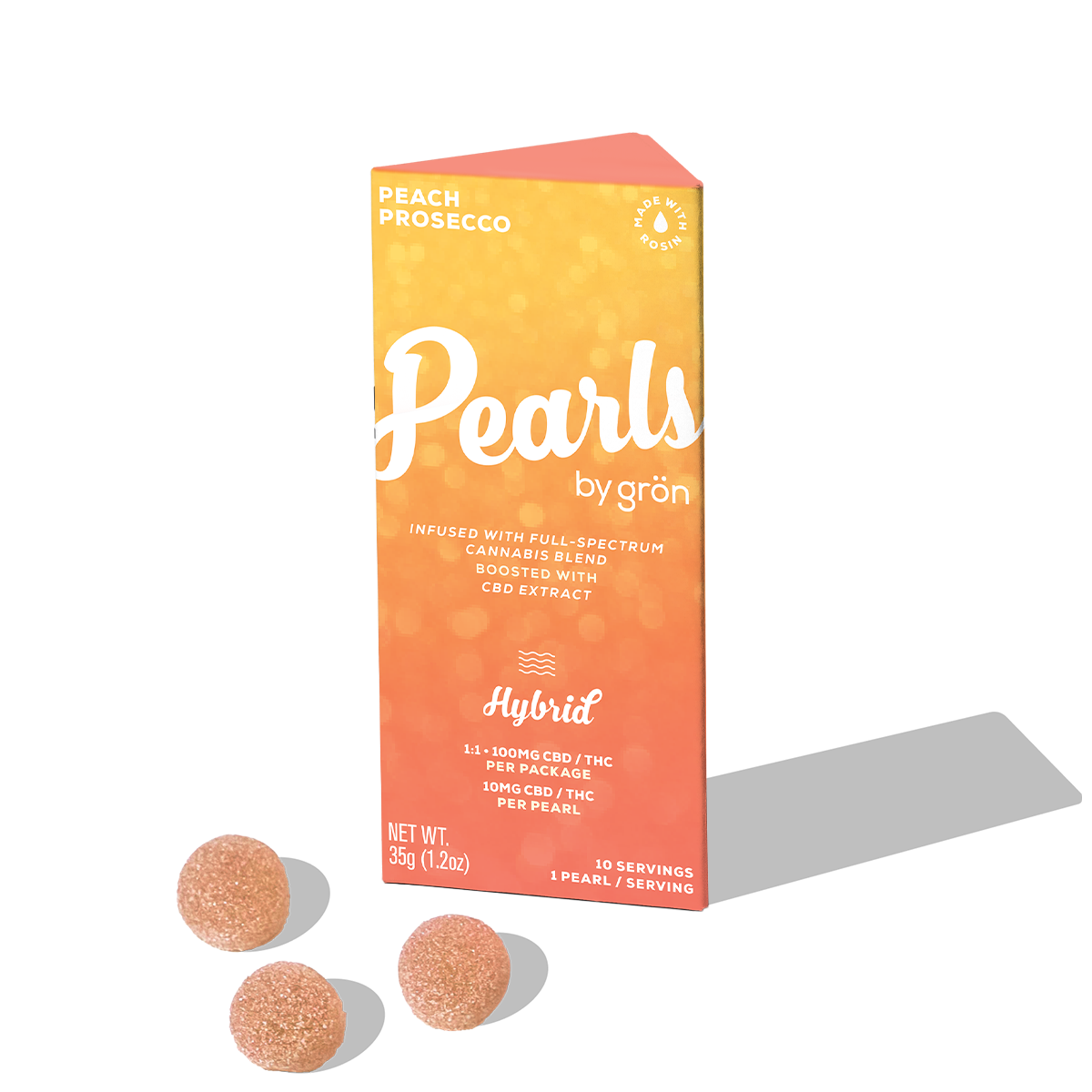
Wyld Boysenberry, Grön Pearls
Varies
751
4:1
Grön Pomegranate Pearls
Read the label
69 at 4:1
20:1
Wyld Strawberry
About 1 mg
69 at 10:1 or higher, either order
*In-stock products with CBD in the name on Nifty, November 15, 2026, grouped by name. Close, not exact. Live prices are on the cards above.
Our pick: a 1:1 at 5 mg each
If you're at a dispensary and want to try CBD with THC, a 1:1 at 5 mg of each is the easy start. 5 mg of THC is inside the 2.5 to 5 mg range OCM suggests for new edible users, and you know exactly what you're taking. If you want CBD without the high, skip the gummy aisle and go to a 20:1 or a CBD tincture.
CBD risks and drug interactions
The FDA lists these risks:
Liver injury. CBD can cause liver injury, which may go unnoticed without monitoring by a healthcare provider.
Drug interactions. CBD can change how other medication works and cause serious side effects.
Drowsiness. Sedation and injury risk rise when CBD is combined with alcohol or other drugs that slow the brain.
Common side effects. Sleepiness, diarrhea, reduced appetite and irritability.
Your pharmacist, when you mention CBD and your meds · via GIPHY
Hemp CBD vs dispensary CBD in New York
The Office of Cannabis Management (OCM) regulates both, under different programs.
Hemp CBD
Dispensary CBD
Where it's sold
Shops and websites with an OCM cannabinoid hemp license or permit
Licensed adult-use and medical dispensaries
THC
Product may not exceed 0.3% THC, with further limits on milligrams per serving
Can contain any amount of THC, shown on the label
Who can buy
Smoked or vaped hemp products are for 21 and over only
21 and over, with ID
Lab report
QR or bar code linking to a certificate of analysis
QR or bar code linking to a certificate of analysis
Typical products
Tinctures, capsules, balms, lotions, drinks
Tinctures, capsules, edibles and vapes, often as a CBD to THC ratio
Intoxicating hemp products, including lab-made cannabinoids such as delta-8 THC, are banned from New York's hemp program. OCM also warns that "less than 0.3% THC" can still be a meaningful dose in a heavy product like a drink or chocolate bar, so check THC milligrams on the lab report.
CBD tincture, gummy or lotion: how to use it
Tinctures are measured by dropper, so doses are easy to adjust.
Gummies and capsules come in fixed servings. Swallowed THC is slow: New York requires edibles to warn that effects "may be delayed by 4 or more hours". OCM advises waiting for the effect before taking more.
Topicals go on the skin and in New York carry the warning "For topical use only. Do not eat or smoke."
Vapes and flower act fastest. OCM suggests waiting 5 to 10 minutes after one or two puffs.
No evidence shows one form of CBD works better than another.
How to buy CBD in New York: read the milligrams
The number that matters is milligrams of CBD per serving.
A tincture labeled "600 mg CBD, 30 mL" holds 600 mg in the whole bottle. At 1 mL per serving, one full dropper, that is 20 mg of CBD. A "1,200 mg" bottle of the same size is twice as strong per dropper, not twice the liquid.
Doing dropper math in the dispensary line · via GIPHY
Then check three things:
THC per serving. New York requires dispensary products to list total THC and total CBD in milligrams per serving and, in bold, per package. A 20:1 CBD tincture still contains some THC.
The ratio. "2:1 CBD to THC" means twice as much CBD as THC by weight. A 2:1 gummy with 10 mg of CBD has 5 mg of THC, the top of the 2.5 to 5 mg range OCM suggests for new edible users. And check which one comes first: brands write it both ways.
The lab report. Scan the QR code and confirm the tested amounts match the label.
The QR code on the back of the box, to you · via GIPHY
No. CBD does not produce a THC high. A product that also contains THC can still be intoxicating, so read the THC milligrams on the label. On Nifty, 73% of in-stock products with CBD in the name also say THC.
Is CBD legal in New York?
Yes. Businesses with an OCM cannabinoid hemp license or permit can sell hemp CBD, and licensed dispensaries sell CBD products that may also contain THC. Smoked or vaped hemp products are 21 and over.
What is CBD proven to help with?
The only FDA-approved use is a prescription CBD medicine for seizures in Lennox-Gastaut syndrome, Dravet syndrome and tuberous sclerosis complex. Research on anxiety, pain and sleep is limited.
What does 1:1 or 20:1 mean on a CBD product?
It's the proportion of CBD to THC, not the dose. A 20:1 gummy with 20 mg of CBD has 1 mg of THC. Brands write the order both ways, so read the milligrams. 1:1 is the most common ratio in CBD product names on Nifty.
Can CBD interact with medication?
Yes. The FDA says CBD can affect how other drugs work and can cause liver injury. Ask a doctor or pharmacist first if you take prescription medication.
Will CBD show up on a drug test?
It can. New York requires hemp products other than topicals to warn that they may contain THC that could cause a failed drug test. Dispensary CBD products often contain measurable THC.
Product counts, ratios, store counts and median prices: Nifty's own record of in-stock products at licensed New York stores, November 15, 2026, grouped by product name.
This article is general information for adults 21 and over. It isn't medical or legal advice. Talk to a doctor before using cannabis for a health condition, or with other medication.
What is CBN?
Sold as the sleep cannabinoid. The proof is thin.
CBN forms as THC ages and is sold across New York as a sleep aid. See what trials in people found, why it comes with THC, which CBN products NY stores carry and what to check on the label.
 CannabinoidsCBD vs CBG vs CBNThree compounds, three levels of proofCBD vs CBG vs CBN: three cannabinoids that don't act like THC. Compare where each comes from, what studies found and how to read a New York label.
 CannabinoidsWhat is CBG?The mother cannabinoid gets its first human trialsWhat is CBG? The non-intoxicating cannabinoid behind THC and CBD: why it is scarce, what the first human trial found, which CBG products NY stores carry and how to check the label.
 Cannabinoids